Meals at sea carry a ritual quality absent from airport food courts. Dining rooms fill at appointed hours, strangers share tables, and the menu often reflects the waters the vessel crosses — herring in the Baltic, bouillabaisse in the Mediterranean, miso soup on Japanese coastal routes.
Dining models across fleets
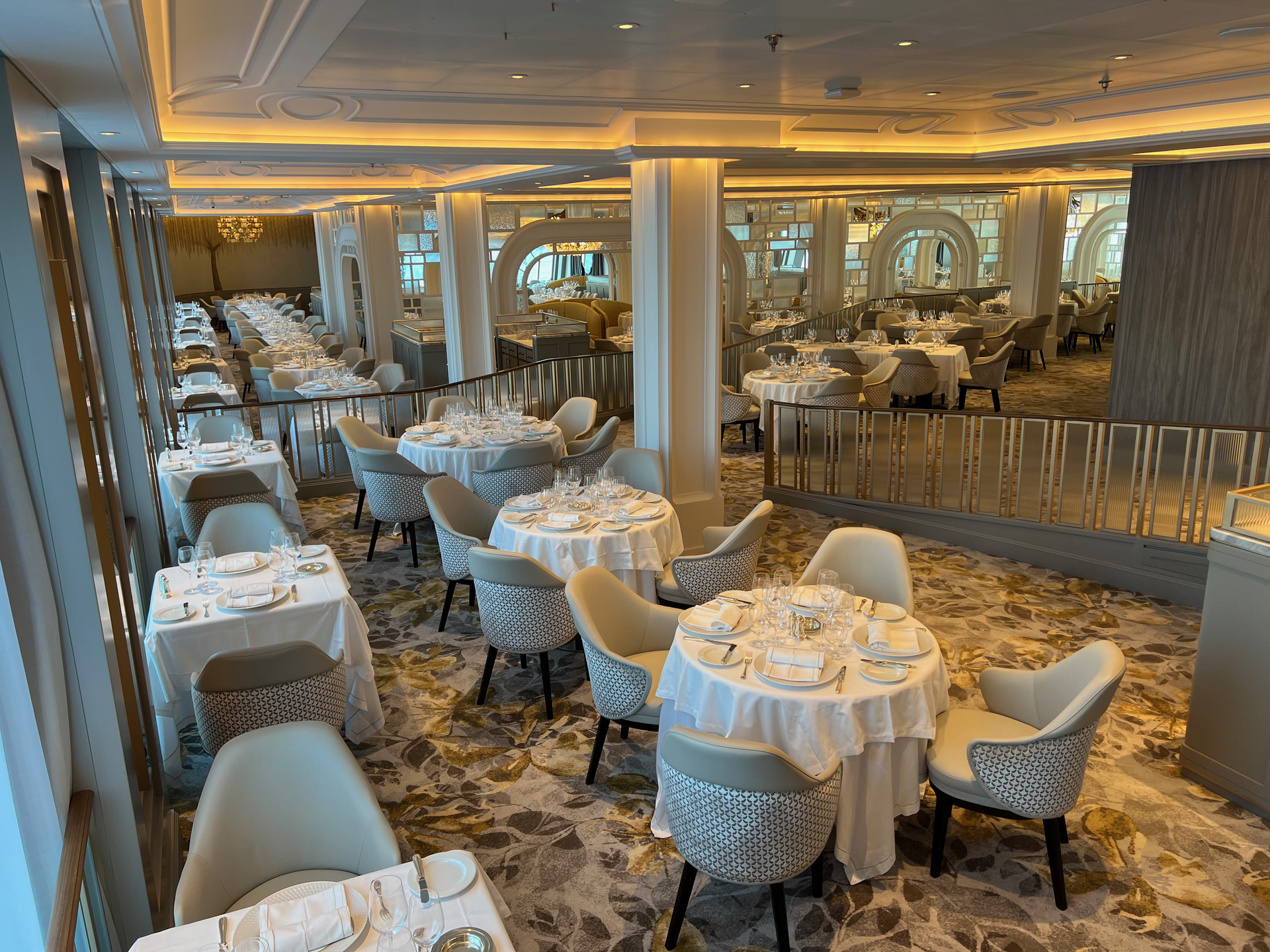
Ferry dining falls into four broad models. Self-service buffets dominate Baltic and North Sea operators — all-you-can-eat spreads included in premium cabin fares or available for separate purchase. Table-service restaurants appear on longer Mediterranean and Atlantic crossings, with fixed seating times reminiscent of ocean liner tradition.
Cafeteria-style counters serve shorter routes and budget operators — quick, functional, unpretentious. Bring-your-own culture thrives on vessels without catering or where passengers prefer picnicking on deck — common on Greek inter-island ferries and Alaska Marine Highway sailings.
On overnight ferries, dinner sittings typically occur between 18:00 and 21:00, breakfast from 06:30 to 09:30. Missing your sitting on table-service vessels means finding alternatives on deck or in cafeterias.
Regional dining highlights
Scandinavia and the Baltic: Smörgåsbord breakfasts are legendary — herring varieties, gravlax, crispbread, and cheese selections that justify the crossing alone. Dinner buffets feature meatballs, Baltic fish, and seasonal berries. Aquavit is optional but culturally encouraged.
Mediterranean: Italian and Greek operators serve pasta, grilled fish, and regional wines at moderate prices. Quality varies — premium cabin fares on Italian ferries often include multi-course dinners in dedicated restaurants with sea views.
Japan: Ferry restaurants serve ekiben-style bento boxes, ramen, and regional specialties sourced at departure ports. Vending machines supplement formal dining — a uniquely Japanese maritime experience.
The social dimension
Ferry dining rooms assign strangers to shared tables on many European routes — a tradition fading on land but preserved at sea. Conversations spark between languages; travel tips exchange hands with the bread basket. Solo travelers find this arrangement welcoming; those preferring privacy should request a single table at boarding or dine early.
Children are universally welcomed in ferry restaurants. High chairs are standard on major operators; children's menus appear on family-oriented routes. The informal atmosphere tolerates restless toddlers better than any fine dining establishment on shore.
Practical advice
Check whether meals are included in your fare before boarding — Baltic premium cabins often bundle buffets; Mediterranean foot-passenger tickets rarely do. Dietary requirements (vegetarian, gluten-free, allergies) should be declared at booking; ferry kitchens accommodate better than many assume, given advance notice.
Tipping customs vary: included in Scandinavian fares, expected at 10% in some Mediterranean restaurants, uncommon in Japan. When in doubt, observe local passengers or ask crew discreetly.
Beyond the restaurant
Bar service, café counters, and duty-free shops extend dining options. The midnight snack — a coffee and pastry on deck as the ship cuts through darkness — remains one of ferry travel's understated pleasures. Dining at sea is never merely sustenance; it is punctuation in the sentence of the voyage.