Packing for a ferry crossing differs fundamentally from packing for a flight. You will live with your luggage for the duration, move through salt air and variable temperatures, and need items no airport lounge ever demanded.
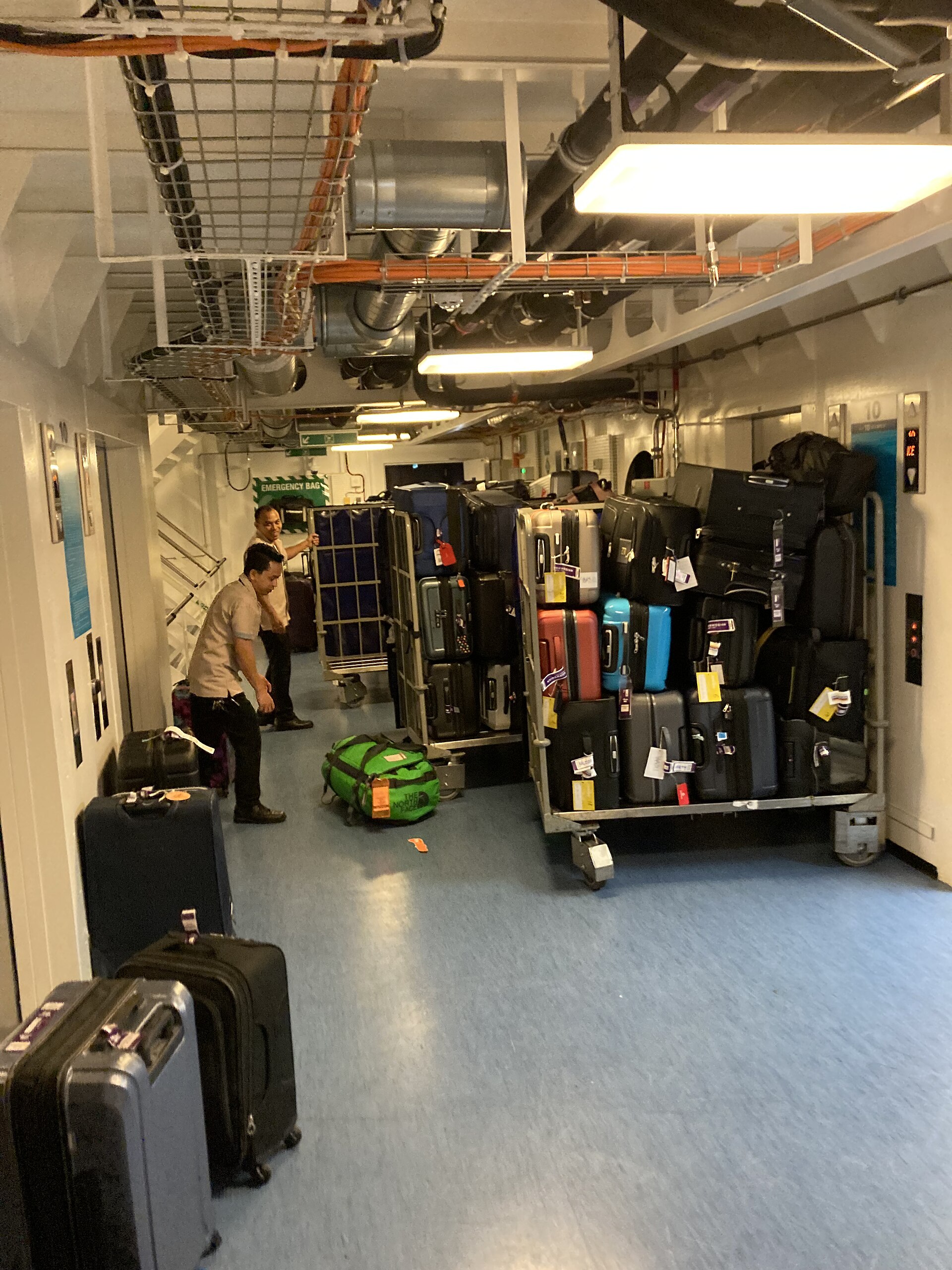
Luggage strategy
Soft-sided luggage outperforms hard shells on ferries. You'll carry bags up gangways, through narrow cabin doors, and sometimes across multiple decks. A 40-liter backpack or medium rolling duffel is ideal for overnight crossings; week-long voyages may require a second small bag.
Vehicle travelers have more flexibility but should still pack an overnight bag for cabin access — vehicle decks are often closed during passages. Keep passports, medications, chargers, and a change of clothes in a daypack you carry aboard.
Pack a foldable tote for shore excursions at intermediate ports. You'll appreciate hands-free movement when exploring a harbor town during a two-hour layover.
Clothing and layering
Ship climate is unpredictable. Interior spaces are heated; decks are exposed. The layering formula: moisture-wicking base, insulating mid-layer (fleece or light down), windproof outer shell. Even Mediterranean crossings become chilly after sunset.
- Non-slip deck shoes or sneakers with good grip
- Flip-flops for shower facilities (essential on Japanese and Baltic ferries)
- Lightweight rain jacket regardless of forecast
- Sun hat and sunglasses — water reflection intensifies UV
- One semi-smart outfit if dining in à la carte restaurants
Cabin essentials
Most ferry cabins provide bedding but not toiletries beyond basic soap. Bring: travel towel (microfiber dries quickly), earplugs, sleep mask, small flashlight, and a universal power adapter. European ferries use Type C/F outlets; Japanese vessels use Type A; North American routes use Type B.
Inside cabins lack windows — a nightlight helps navigate without disturbing cabin mates. A small carabiner clip secures cabin keys and ferry cards to your belt loop.
Motion and comfort
Even stable ferries move. Pack your preferred remedy: ginger chews, acupressure wristbands, or prescription scopolamine patches (consult a doctor before use). Stay hydrated but moderate alcohol — it amplifies seasickness. Green apples and crackers remain folk remedies with surprising effectiveness.
Entertainment and downtime
Download books, podcasts, and offline maps before departure — ship Wi-Fi is expensive and unreliable. Binoculars transform deck time. A journal and pen capture thoughts that smartphones miss. Playing cards or travel games bridge the gap on family crossings.
Documents and health
Passport (even within Schengen for international waters), tickets (printed backup despite mobile apps), travel insurance documents, and prescription medications in original containers. Motion sickness medication works best taken before symptoms appear — dose at boarding, not when nausea strikes.
Toiletries and personal care
Ship bathrooms are compact but functional. Pack travel-size toiletries in a hanging wash bag — showers on overnight ferries often lack shelf space. Reef-safe sunscreen matters on deck; lip balm with SPF prevents chapped lips in salt air. A small bottle of hand sanitizer is useful when moving between public areas and your cabin.
Pack thoughtfully, travel lightly, and remember: the ferry rewards those who prepare for comfort rather than fashion. The horizon does not care what shoes you wear — only that you are there to see it.